Physical Therapist Specializing in Fascial Counterstrain for Stubborn, Hard-to-Reach Pain
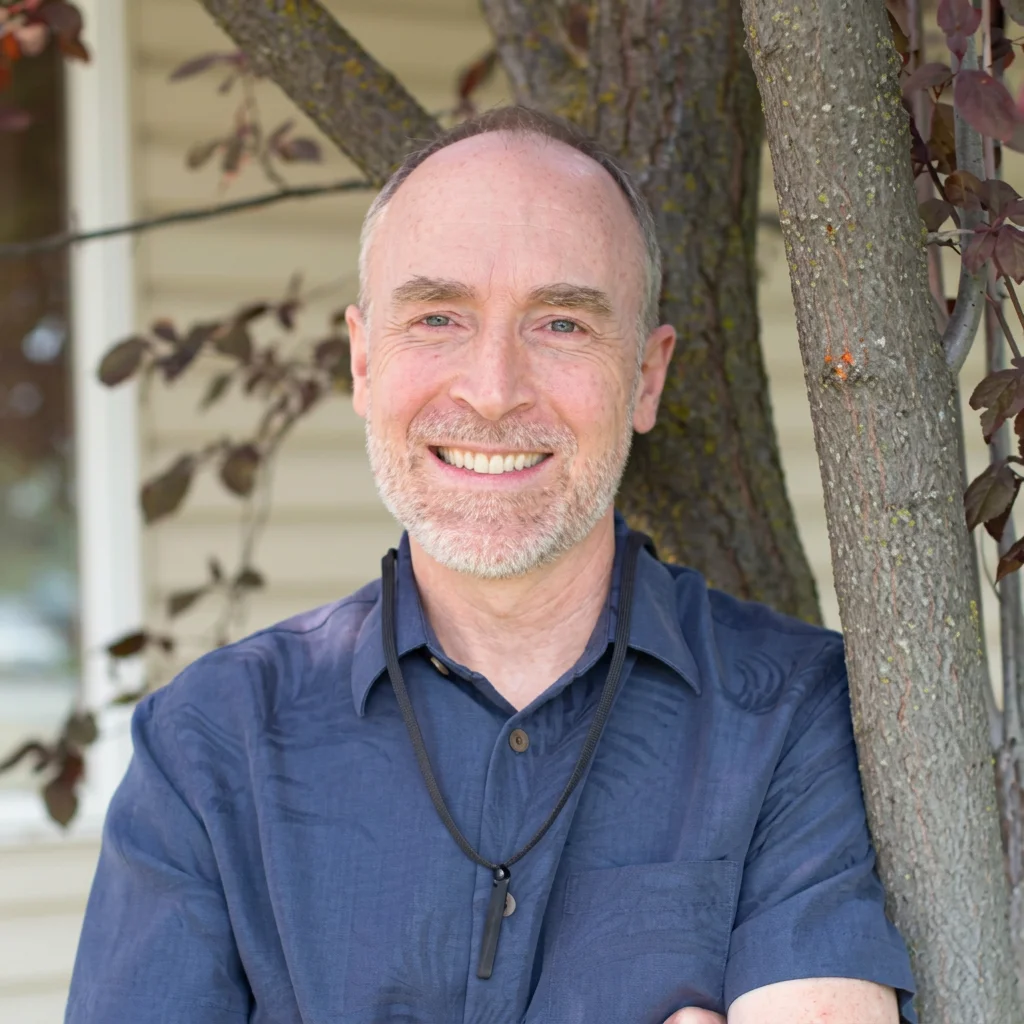
Some manual therapy techniques work by pushing against the body’s resistance. Fascial Counterstrain works by doing the opposite — finding the position the body wants to be in, holding it there, and letting the nervous system release the protective guarding on its own terms. Chuck Depner, PT, has built his clinical practice around that principle for the better part of a decade.
Chuck’s formal Counterstrain coursework spans the full breadth of the Fascial Counterstrain (FCS) curriculum developed in the Jones Institute lineage. His completed coursework has included lymphatic-venous, arterial, ligamentous, myofascial chains, periosteum (bones), cartilage, disc, fascia, adipose, visceral, and nervous systems, as well as a Diagnostics course to help identify the most impaired tissues. He’s also a licensed physical therapist with broader clinical experience that long predates his focus on Counterstrain.
The clinical pattern Chuck is built for is the patient whose pain resists a clean diagnosis. Old injuries that quietly rerouted into something that looks unrelated. Persistent restrictions that don’t respond to mobilization or strengthening because the underlying tissue is locked in a protective reflex, creating tissue guarding and tension.
Beliefs Behind My Therapeutic Approach
“The body holds onto pain in stranger places than most people realize. Half the work is finding where the pattern actually lives — and then giving the tissue the permission, in the right position, to finally let it go.”
A+
BBB Top-Rated Company
Proudly serving Spokane Since 1998
4.9+
Patient Reviews
Google Business Average
Specializations
I'm highly experienced with:
WHO I HELP
When Pain Won't Fit a Single Diagnosis
Most of the patients I see have already been through the standard treatment paths. Their pain is stubborn, often layered, and frequently doesn’t trace back cleanly to one structure. Counterstrain gives me a way to reach tension patterns that other approaches step right past — across muscles, joints, nerves, vascular tissue, and the visceral system. The work is patient and methodical, and it tends to help most when nothing else has.